Seminar on EF (Education First)
On 26 November 2025, an informative seminar on EF (Education First) was organized for the students of our department. In their presentation, Cihangir Kırkgöz and Dr. Fatih Akyol from the EF team highlighted the global educational vision and aims of the EF academic program, the current year’s data from the English Proficiency Index (EPI) report and Turkey’s position in the report, as well as overseas study opportunities for various languages. At the end of the seminar, an interactive Q&A session was held along with a fun raffle. As the Department of English Language Teaching, we express our gratitude to Cihangir Kırkgöz and Dr. Fatih Akyol for their visit.


Seminar on the Finnish Education System: The Fundamental Principles of the System
On November 12, 2025, Associate Professor Dr. Laura Wickström and her students from Åbo Akademi University in Turku, Finland, visited our faculty as guests of Prof. Dr. Seyfi Kenan, Head of the Department of Educational Programs and Instruction at Atatürk Faculty of Education. During their visit, Jonathan Stipesevic delivered a seminar titled “What Makes Finnish Education Good?”
As the Department of Foreign Language Education at Marmara University, we had the honor of hosting our Finnish colleagues in a seminar focused on the Finnish education system. In his presentation, our esteemed colleague shared original and reliable insights about this system, which has long been studied in the field of educational sciences. In addition, other guests shared their experiences in the Finnish educational context as teachers, students, and parents, providing an important perspective on various stakeholders, particularly at primary and higher education levels.
During the seminar, it was emphasized that the three fundamental principles of the Finnish education system constitute its core foundations. These principles are equality and equity, the training of highly qualified teachers (lasting at least five years), and flexibility and autonomy. As part of its education policy, Finland ensures equal educational opportunities for all students. Although there are minor differences between cities and regions, every student has the right to access high-quality education free of charge. This access includes foreign languages of choice, textbooks and supporting materials, and practical learning activities. More importantly, a thorough needs analysis is conducted for each student and teachers support students with personalized approaches in their unique learning processes. In this way, the principle that “no student is left behind” is effectively implemented.
Teacher education is another vital component of the Finnish education system. Teacher training programs aim to prepare highly qualified and competent educators. Pre-service teachers complete a comprehensive five-year program requiring significant effort, which equips them with the knowledge and skills necessary to meet the predefined and continuously developing standards of their educational context.
Finally, while flexibility and autonomy are presented as a separate principle, these concepts are closely linked to the other two elements. Structurally, the system allows for flexibility and autonomy, enabling teachers to effectively reflect these characteristics in their classroom practices. Students are encouraged to be flexible and autonomous in their learning processes, which significantly contributes to their development and progress. Furthermore, a focus on both process and product provides teachers with pedagogical flexibility and strengthens their autonomy. The holistic structure of the Finnish education system is fundamentally based on a mutual trust relationship among all stakeholders, including parents, students and teachers.
The presentation and Q&A session allowed us to critically evaluate the similarities and differences between the educational contexts in Turkey and Finland.
We would like to sincerely thank our Finnish colleagues once again for sharing their real-life experiences and perspectives with us.

.jpeg)
.jpeg)

.jpeg)
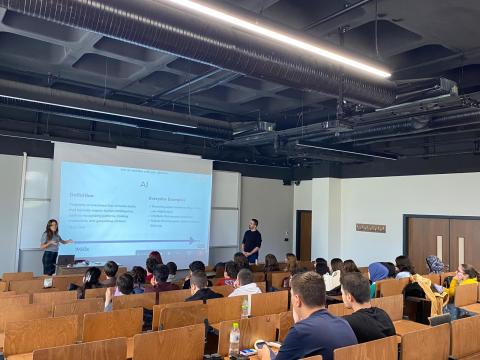
Training on the Effective and Ethical Use of Artificial Intelligence
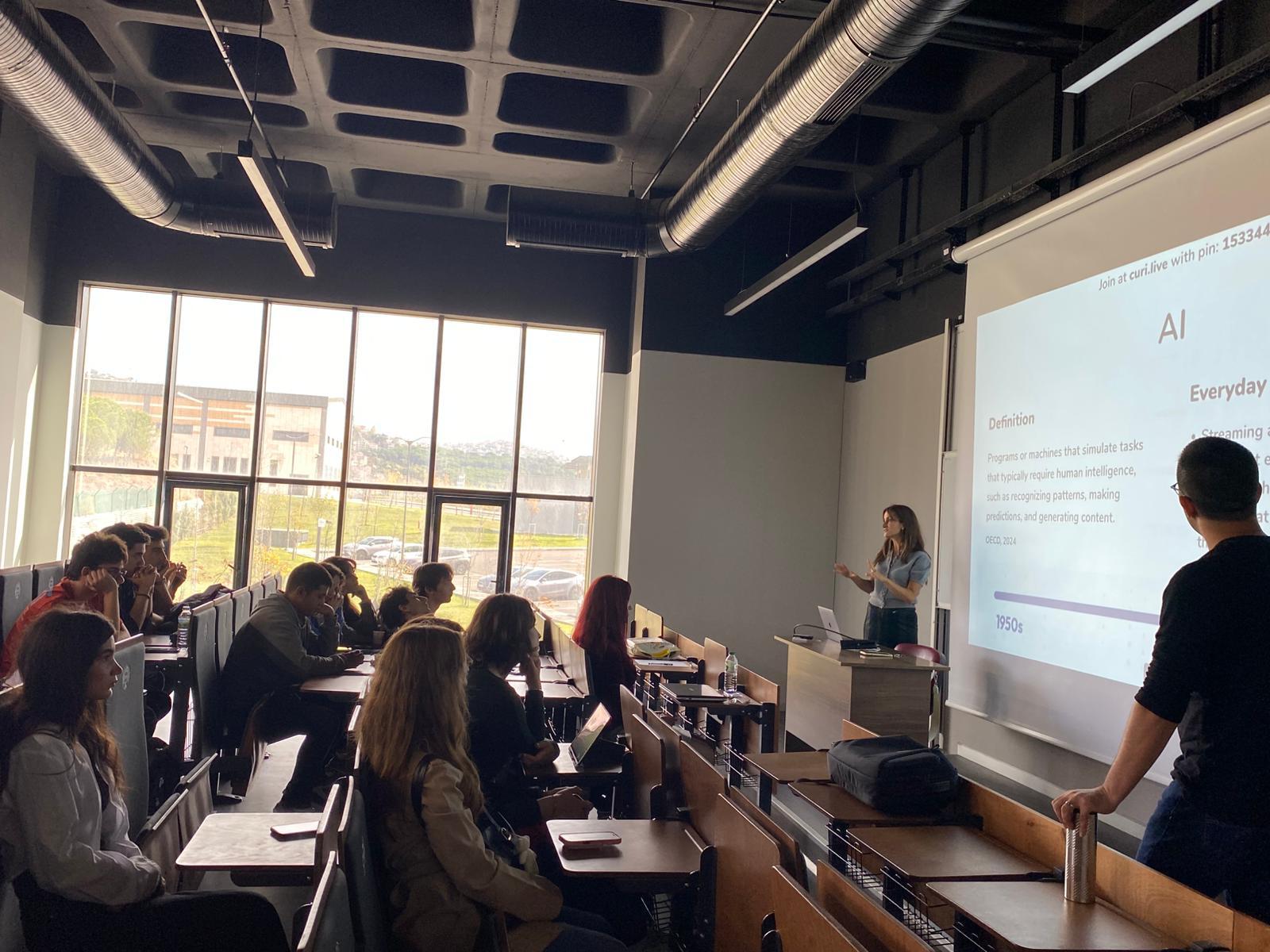
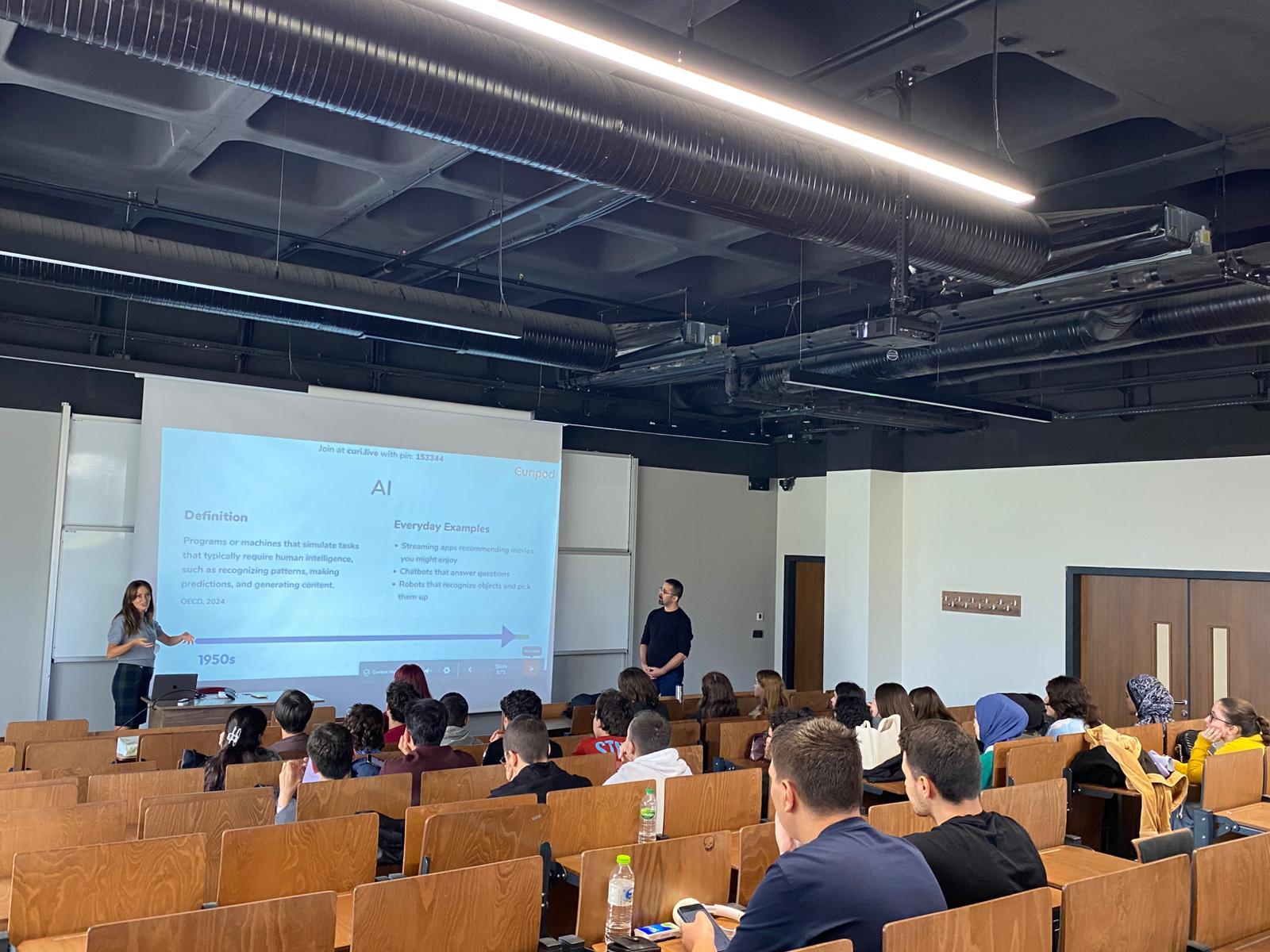
As the department of English Language Teaching, we value understanding and explaining Artificial Intelligence (AI) and Generative Artificial Intelligence (GenAI) more effectively. In this regard, “Training on the Effective and Ethical Use of Artificial Intelligence” was held on October 8, 2025, with presentations by the head of our Department, Assoc. Prof. Dr. Gökçe Kurt Tiftik, and Asst. Prof. Dr. Mustafa Polat, aiming to help our students use AI in the most efficient and appropriate way. During the training, various subfields of artificial intelligence were introduced and its potential benefits and risks were discussed. In addition, detailed guidelines were provided to help students use AI tools consciously. Since the responsible use of artificial intelligence in academic work is highly important for maintaining academic integrity, we would like to thank our instructors for organizing this valuable training to raise students’ awareness and help them benefit from AI in the best possible way.
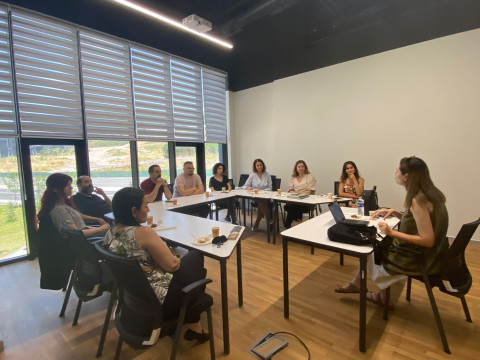
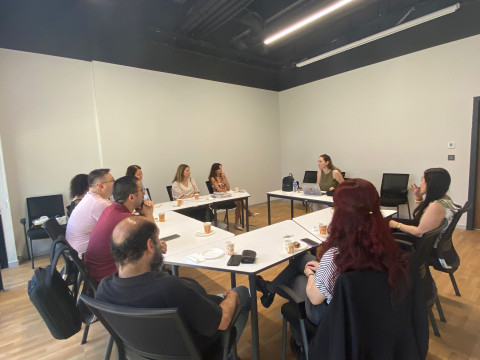
Training of Trainer - with Clinical Psychologist Elvan Karadağ Uzun
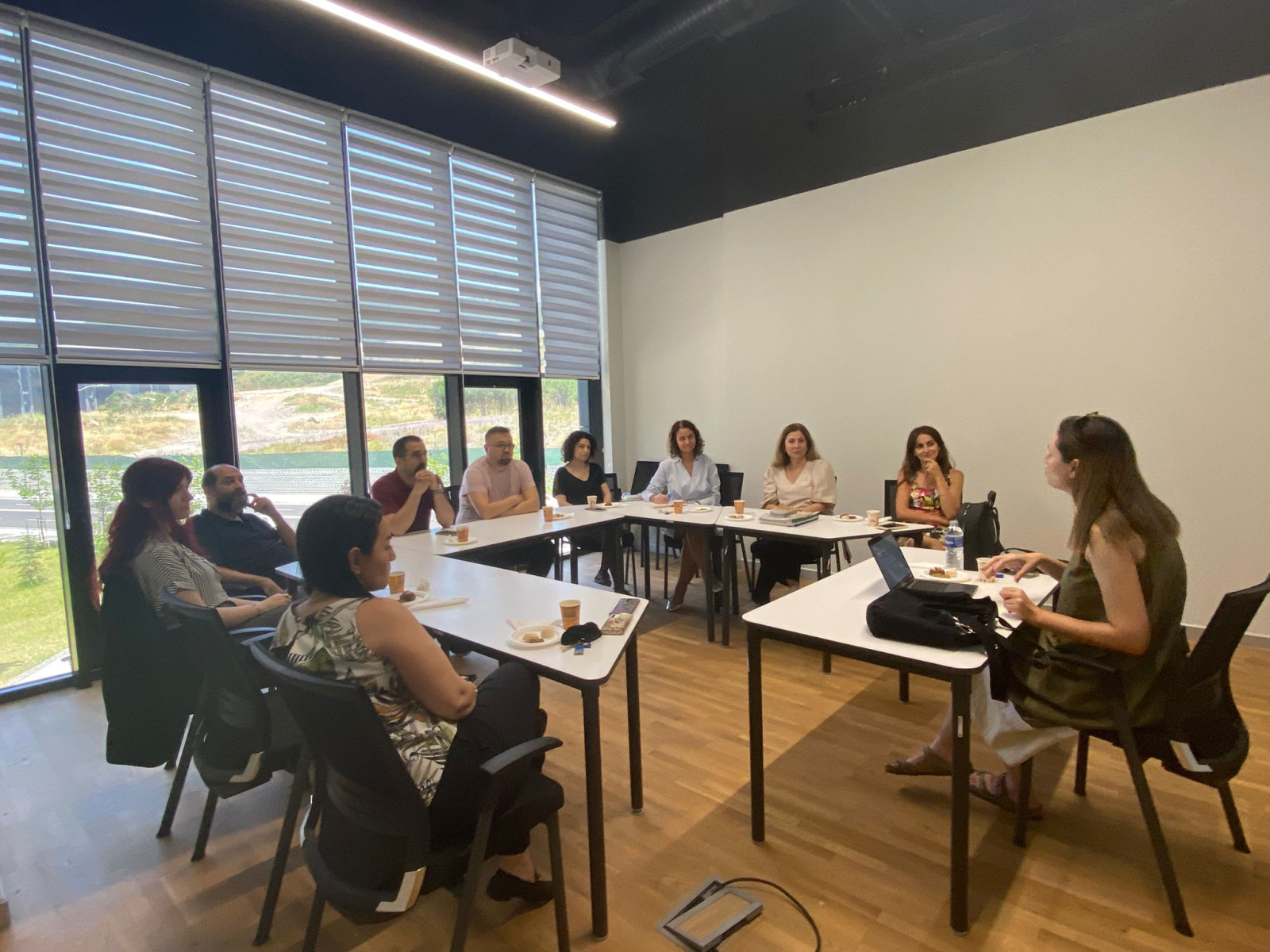
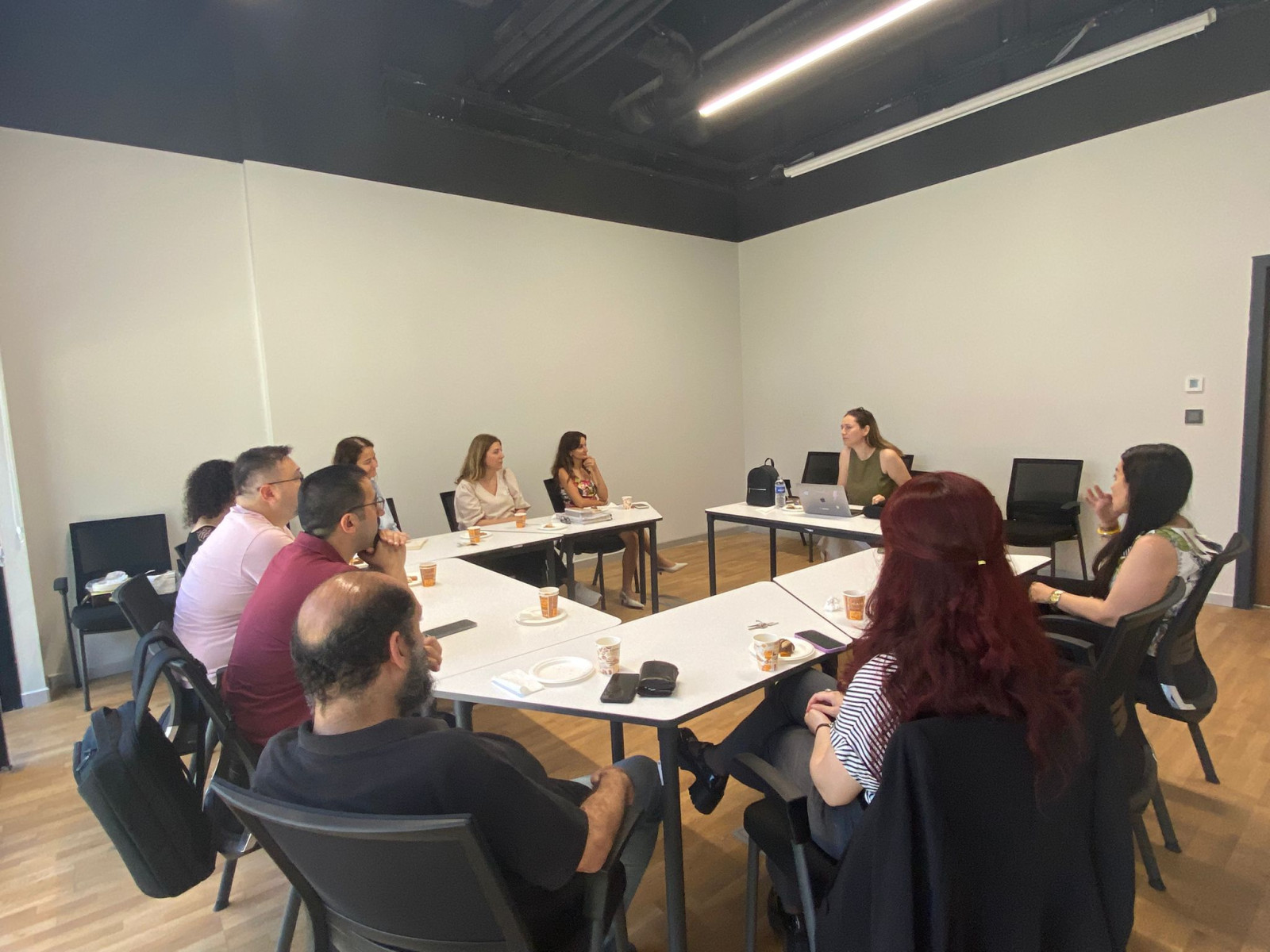
On June 11, as part of the Trainer Training program, a pleasant and fruitful meeting was held with the participation of Specialist Clinical Psychologist Ms. Elvan Karadağ Uzun and the faculty members of our department.
At the beginning of the event, Ms. Elvan Karadağ Uzun delivered a comprehensive presentation on the fundamental concepts and theoretical approaches in the field of psychology, providing valuable insights to our academics. Key aspects related to the individual's inner world were shared with the participants, along with various suggestions aimed at enhancing personal awareness, self-understanding, and psychological well-being.
Following the presentation, Ms. Karadağ Uzun invited faculty members to share examples of challenges they encounter in their professional lives, and together, potential solutions were developed based on these examples. Later, an exchange of ideas took place among the faculty members of our department, during which commonly faced challenges in academia were discussed and possible ways to address them were explored.
We extend our sincere thanks once again to Ms. Elvan Karadağ Uzun for this valuable and heartfelt conversation.
.jpeg)
.jpeg)
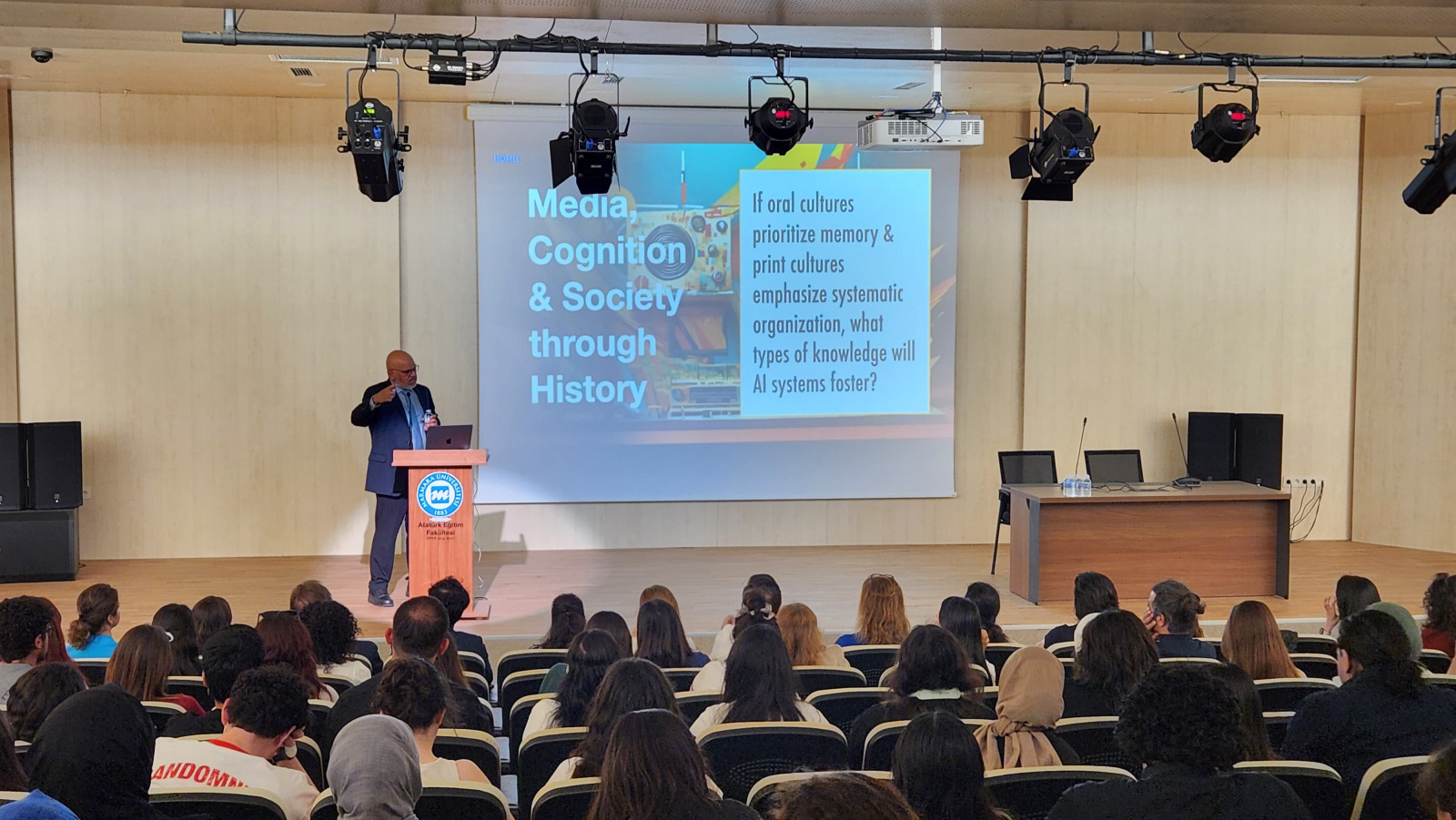
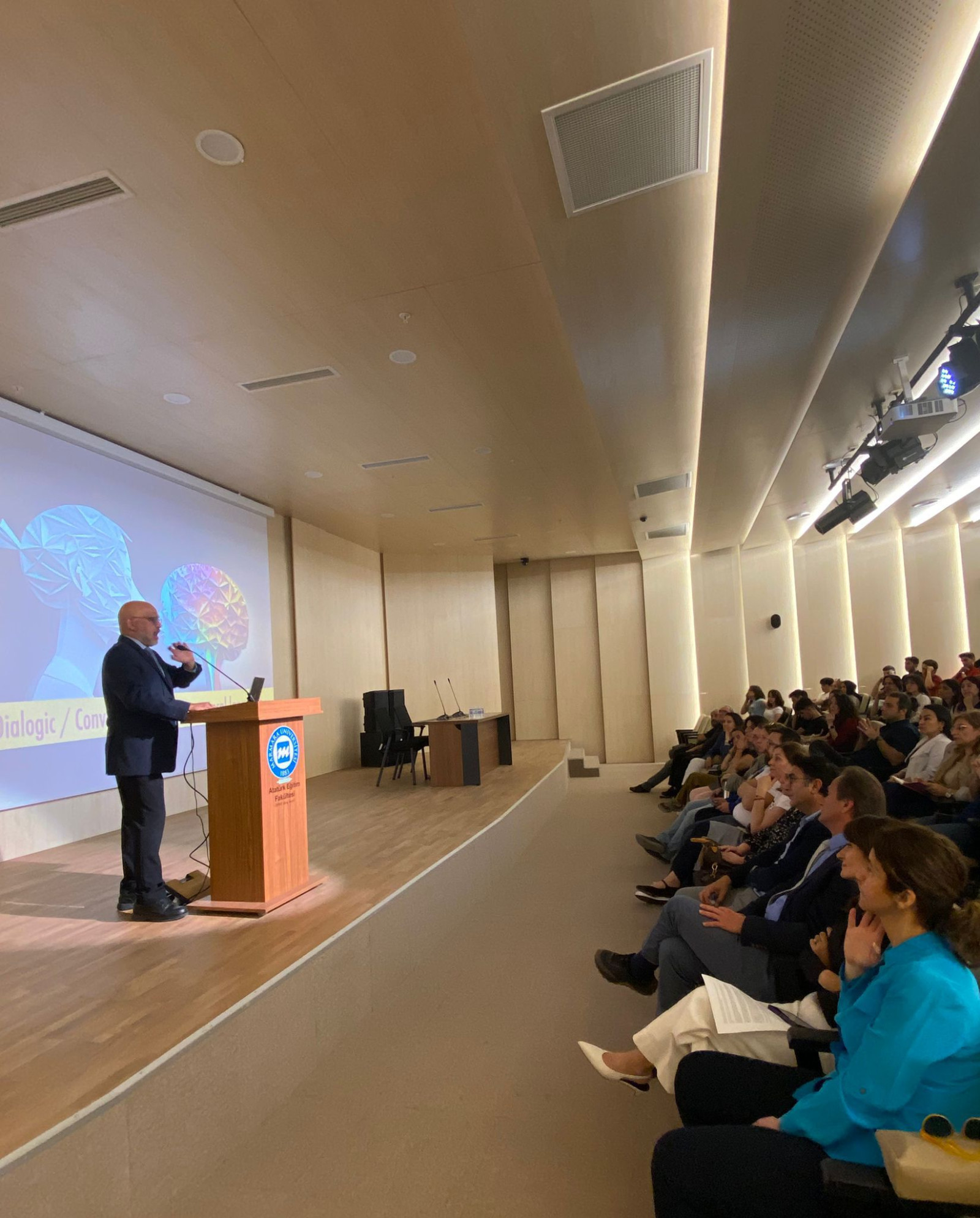
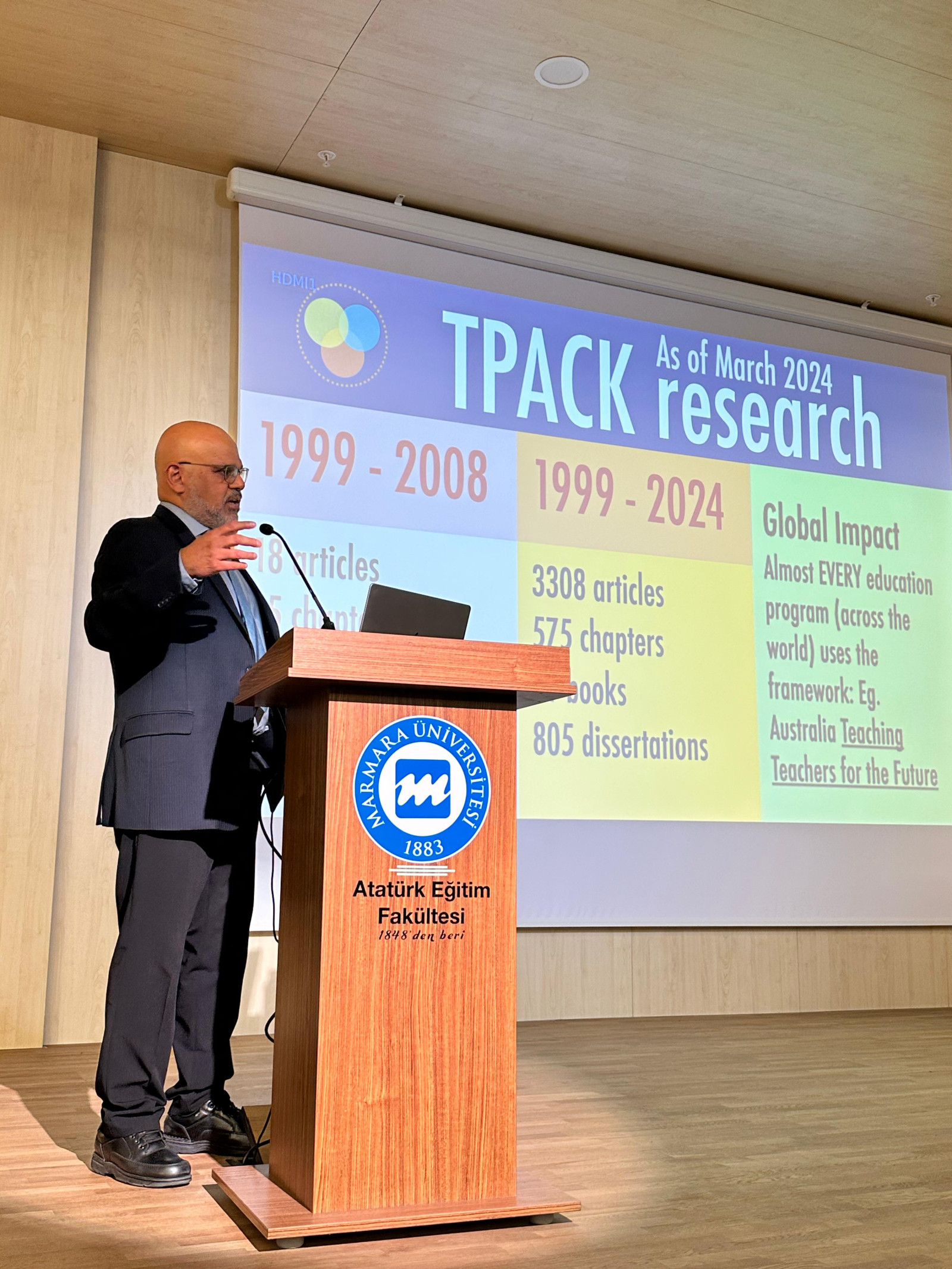
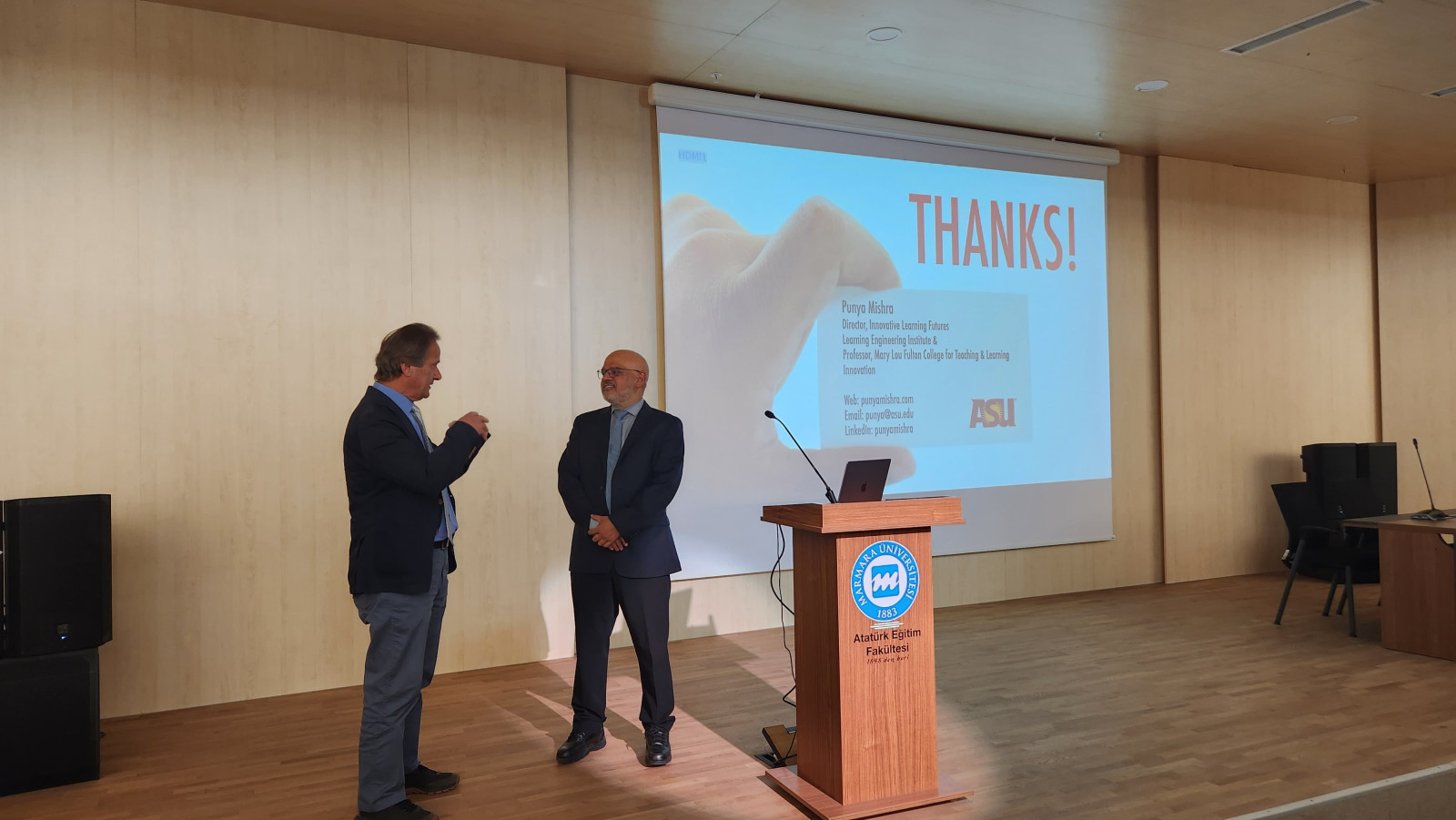
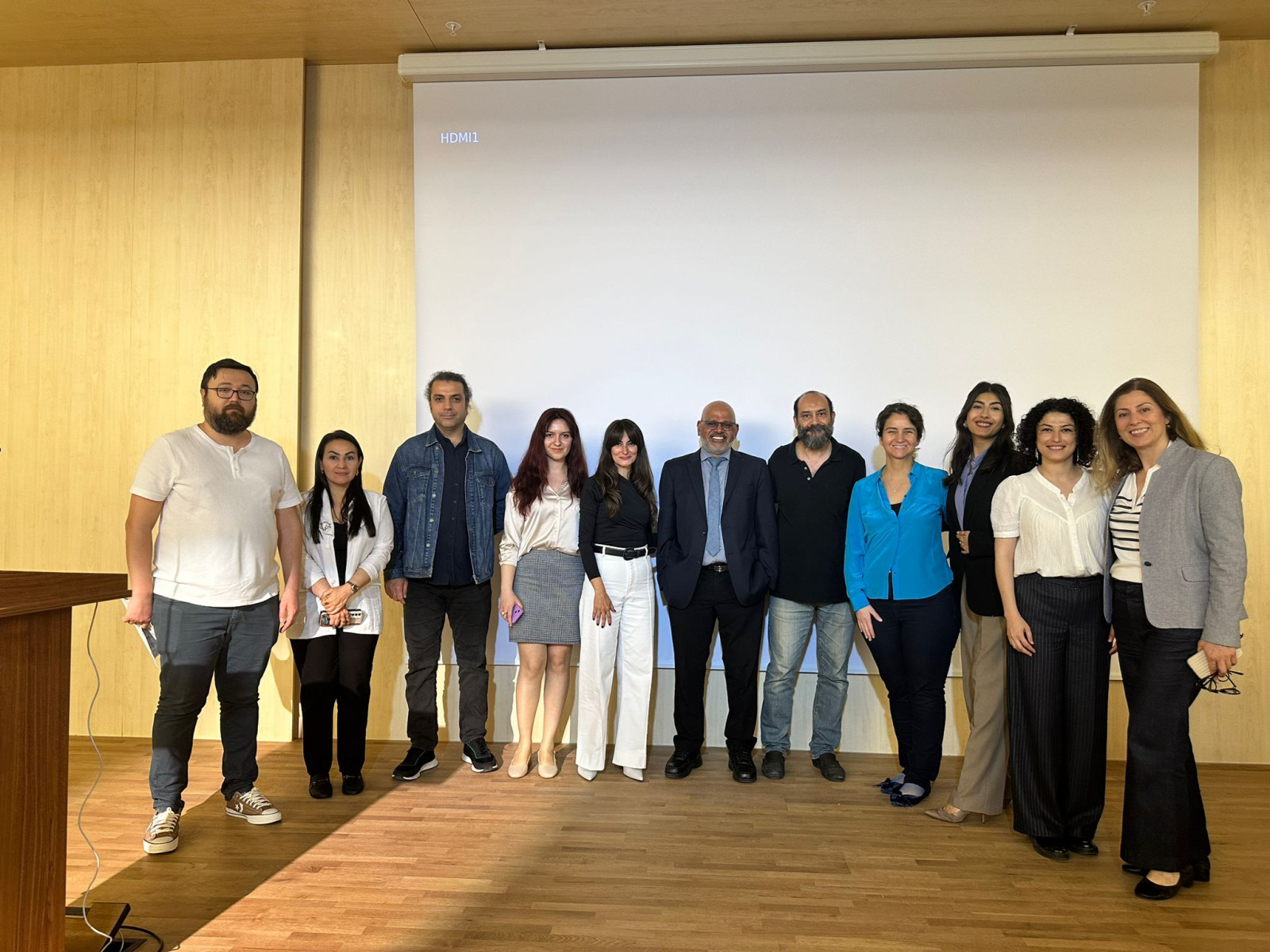
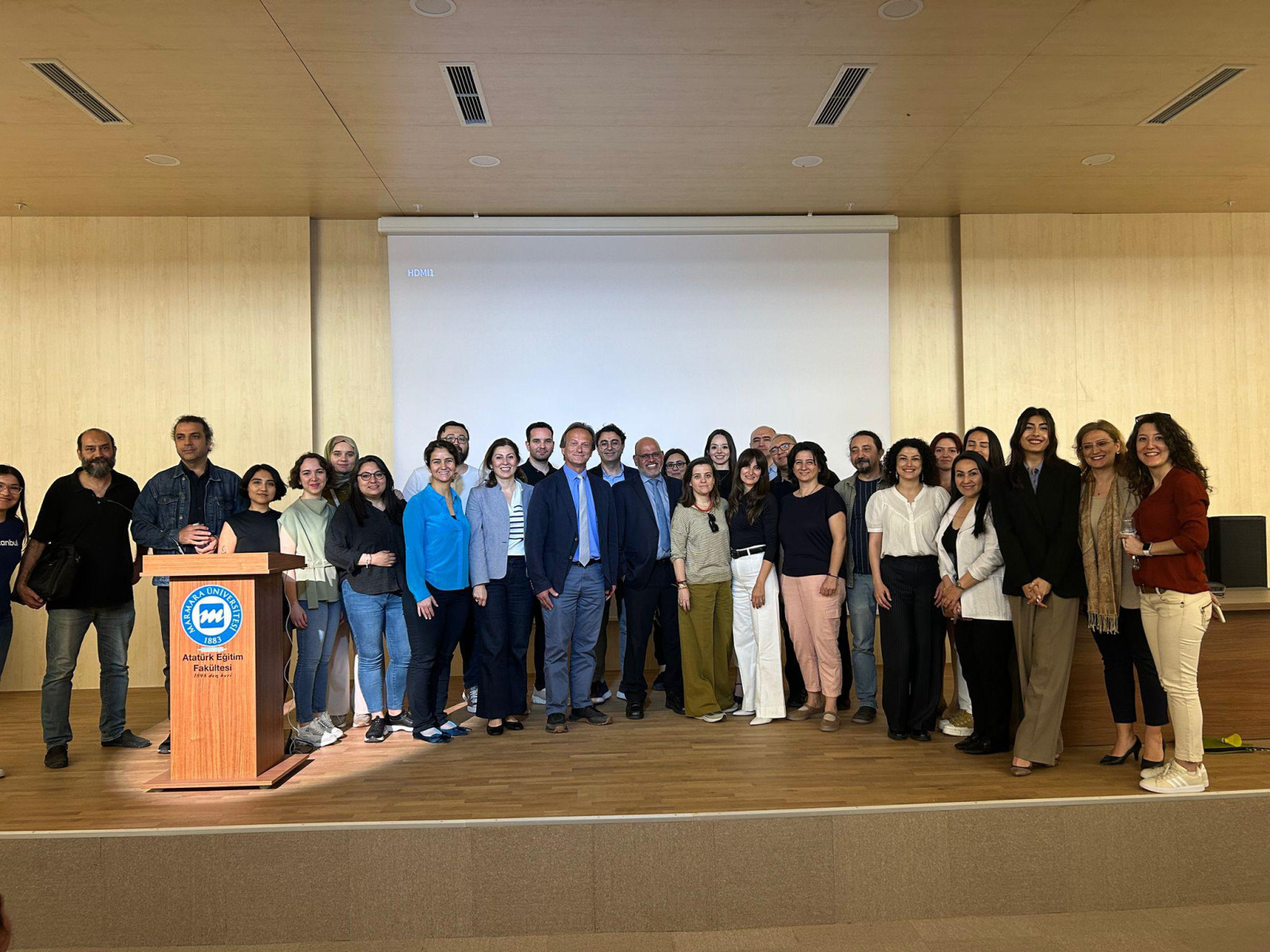
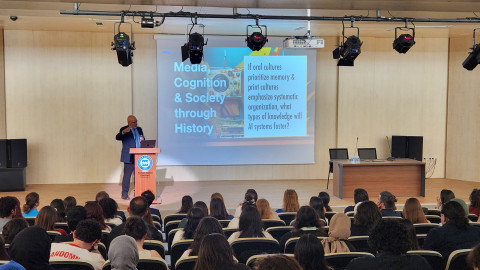
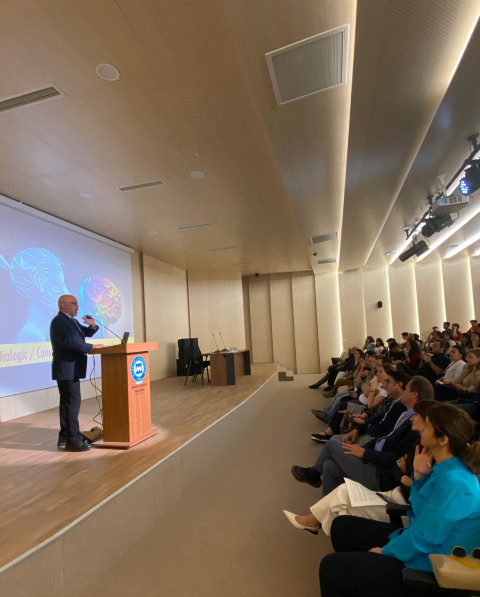
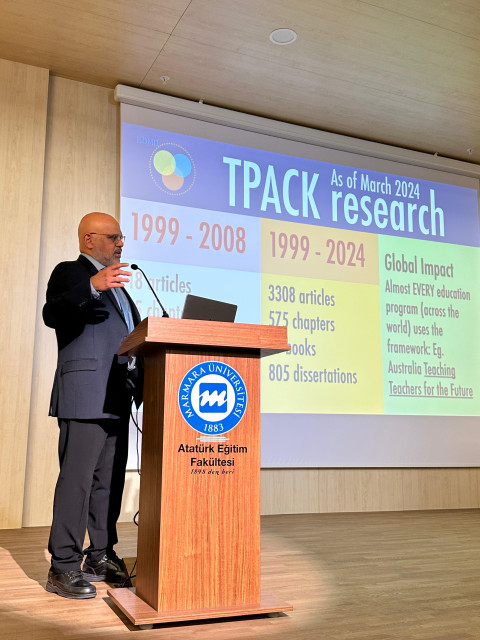
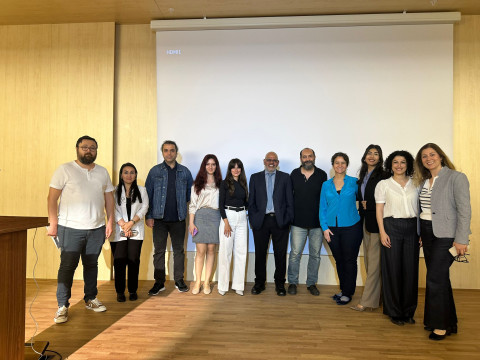
"Education in the Age of Generative Artificial Intelligence” – Prof. Punya Mishra
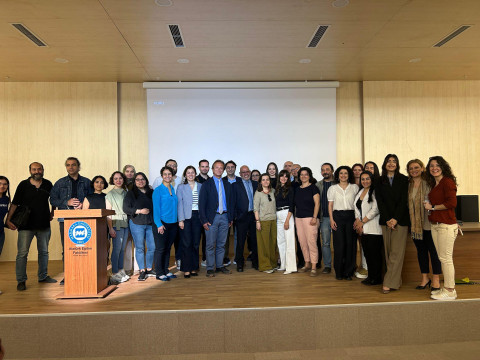
Prof. Dr. Punya Mishra, a globally renowned scholar in the field of education and technology at Arizona State University’s Mary Lou Fulton Teachers College and co-creator of the TPACK (Technological Pedagogical Content Knowledge) model, delivered a talk titled “Education in the Age of Generative Artificial Intelligence” on May 21, 2025.
The event was hosted by the Department of English Language Education at Marmara University’s Atatürk Faculty of Education. In his keynote speech, Prof. Mishra offered a comprehensive perspective on how education systems should be restructured in the era of artificial intelligence. Highlighting the transformative impact of generative AI on education, he emphasized that teachers should no longer be mere transmitters of knowledge but rather professionals who creatively design learning experiences. He also underlined the importance of evaluating the roles of AI in education through a careful, critical, and ethical lens.
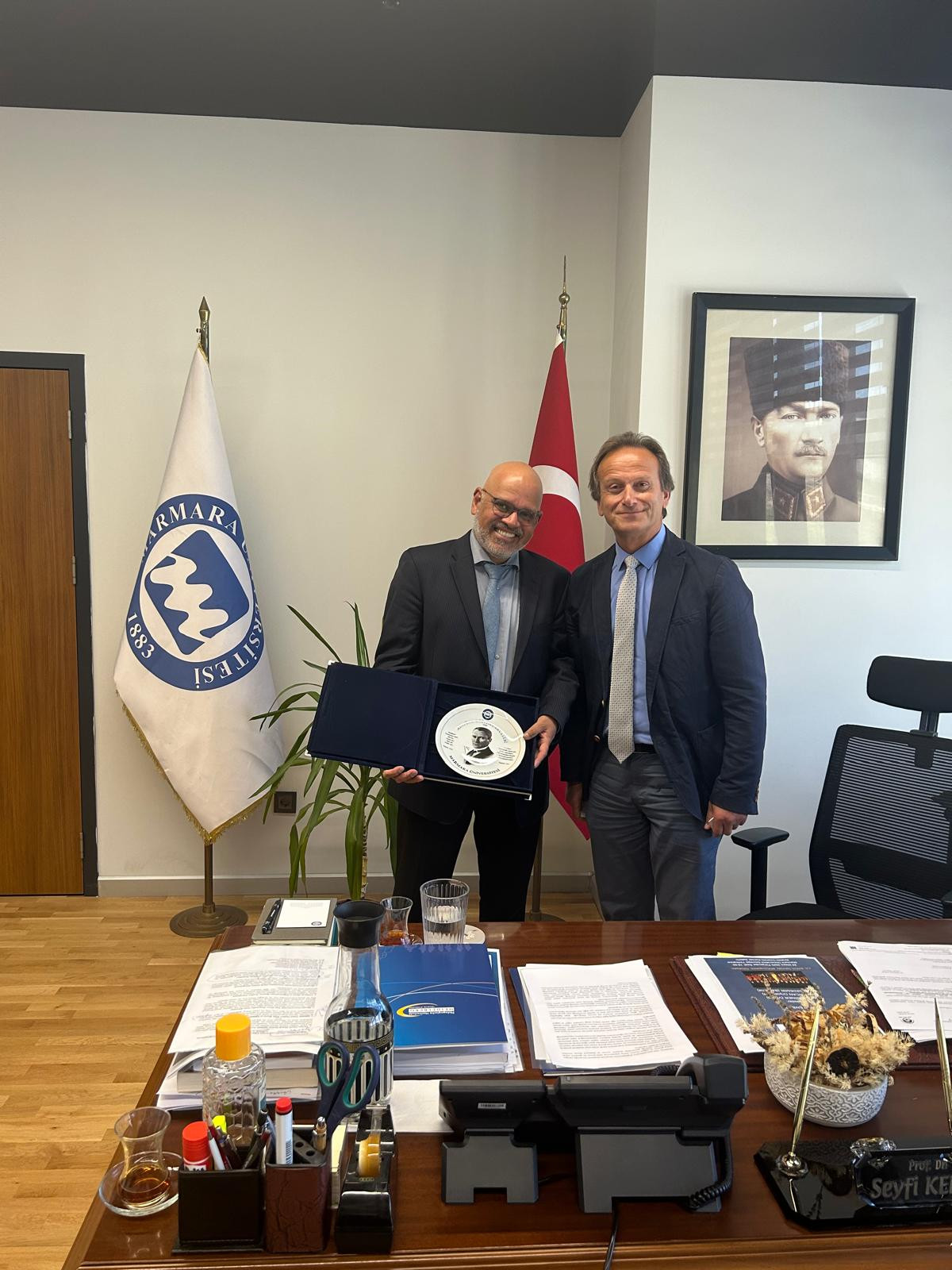
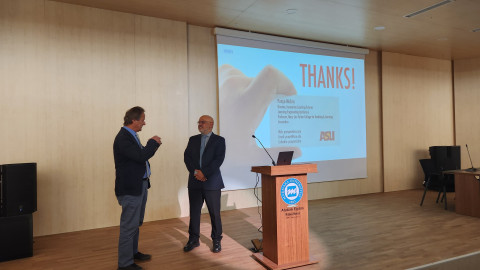
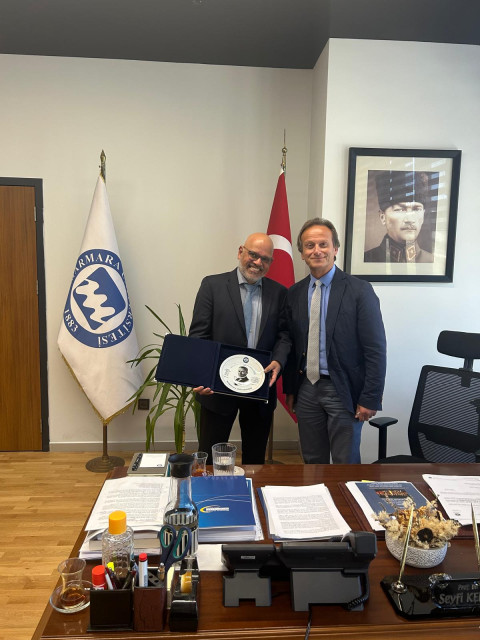
At the conclusion of the event, the Dean of the Atatürk Faculty of Education, Prof. Dr. Seyfi Kenan, presented Prof. Mishra with a commemorative plate bearing the Marmara University logo and his own signature as a token of appreciation. During the presentation, the Dean concluded his remarks by recalling a meaningful quote by Gazi Mustafa Kemal Atatürk, dedicated to teachers:
“Teachers! The Republic expects from you generations who are free in thought, free in conscience, and free in knowledge.”
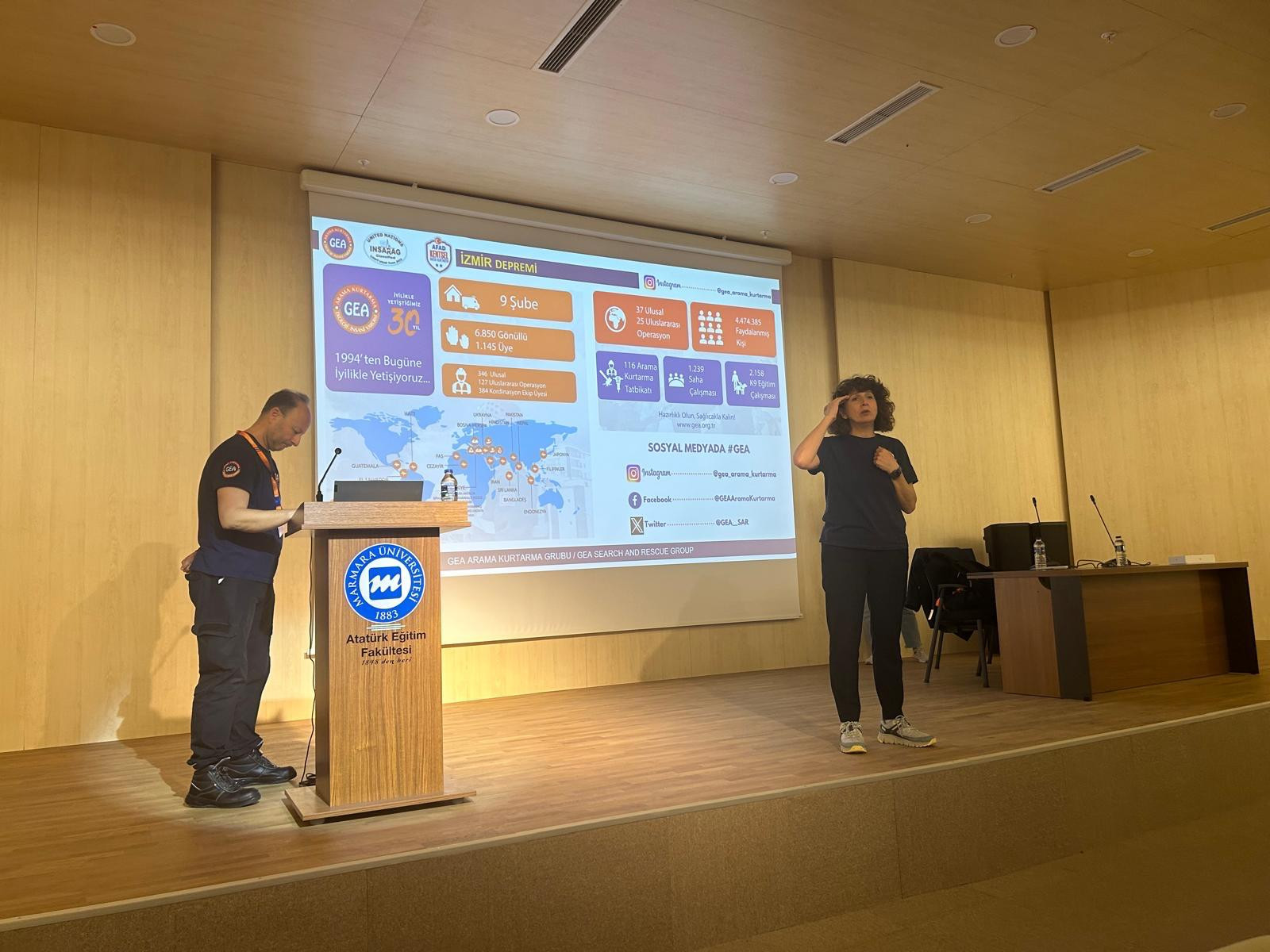
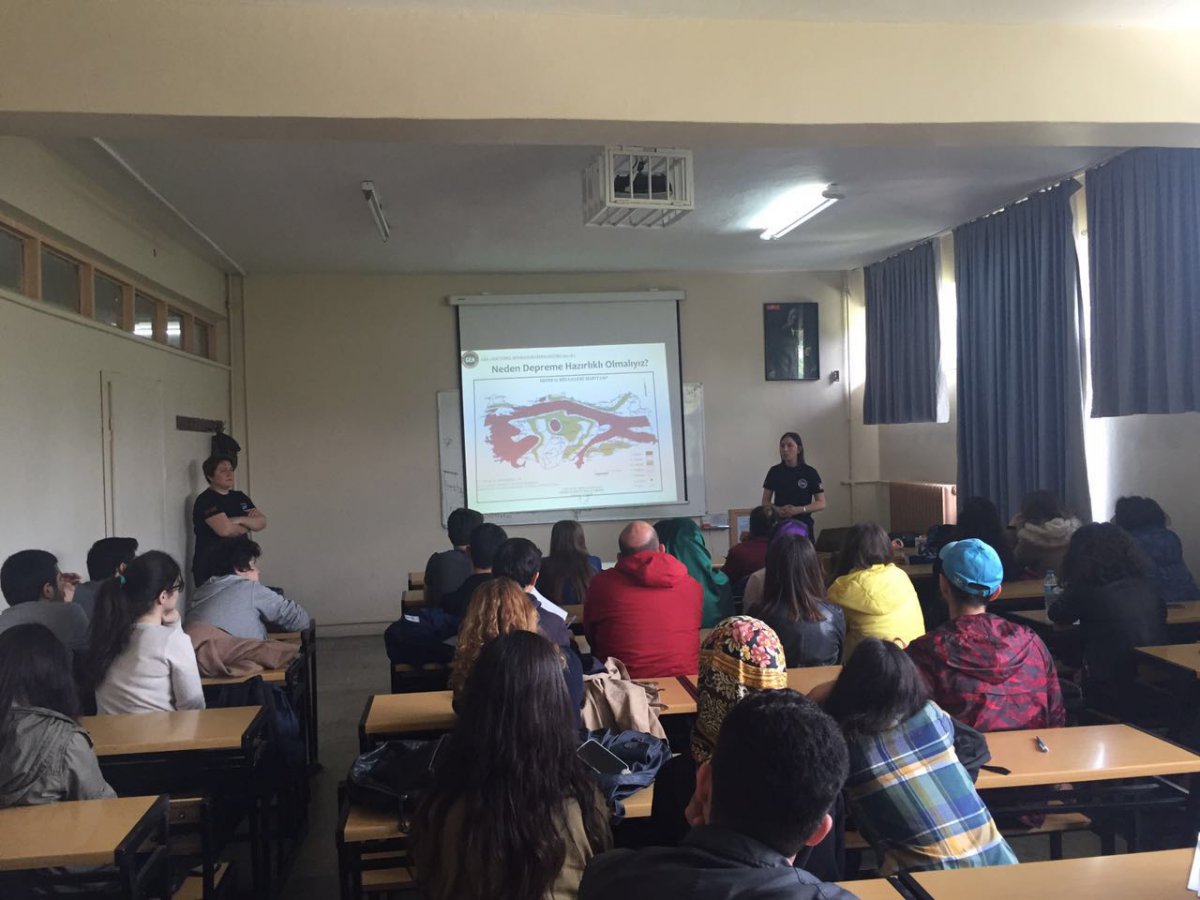
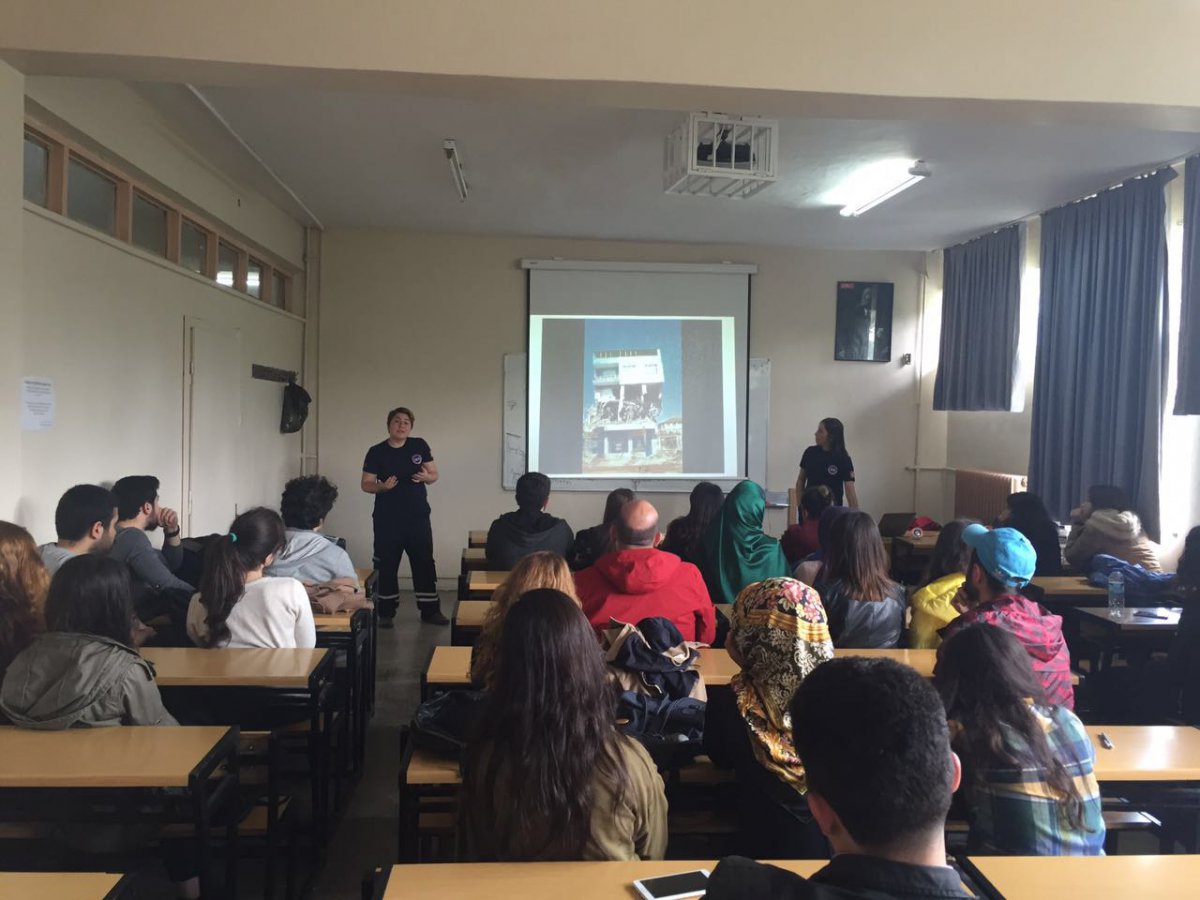
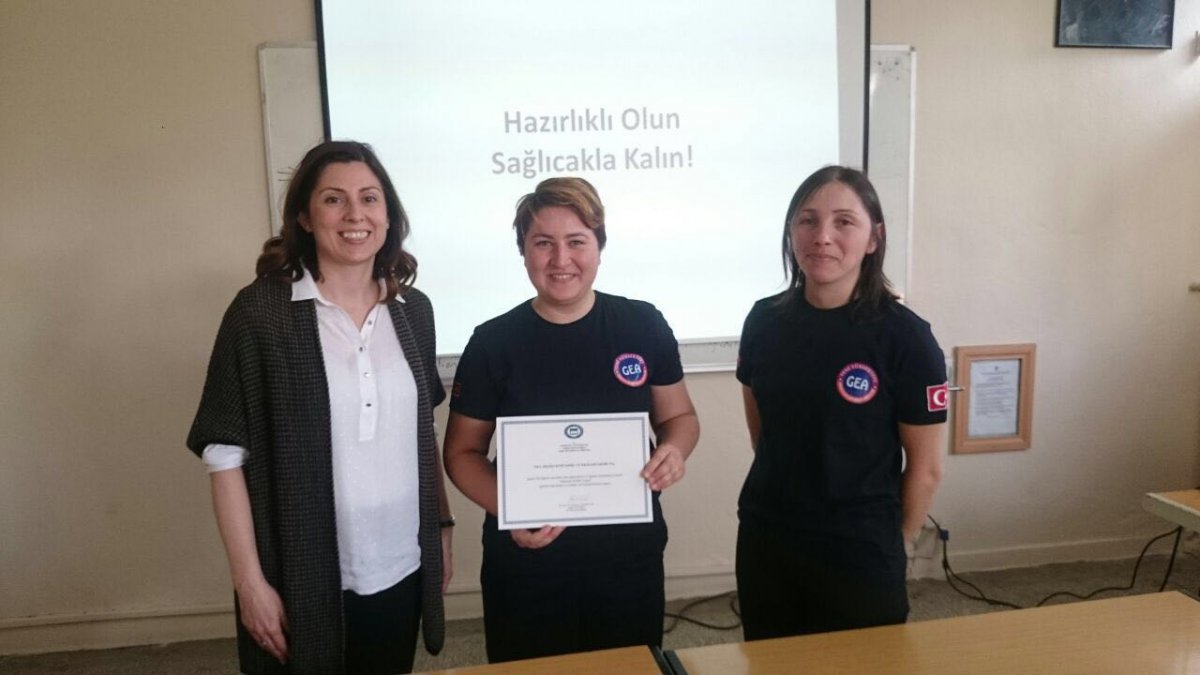
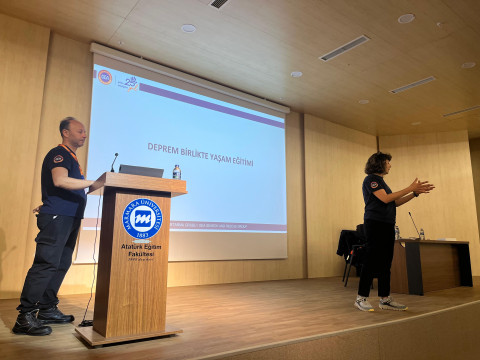
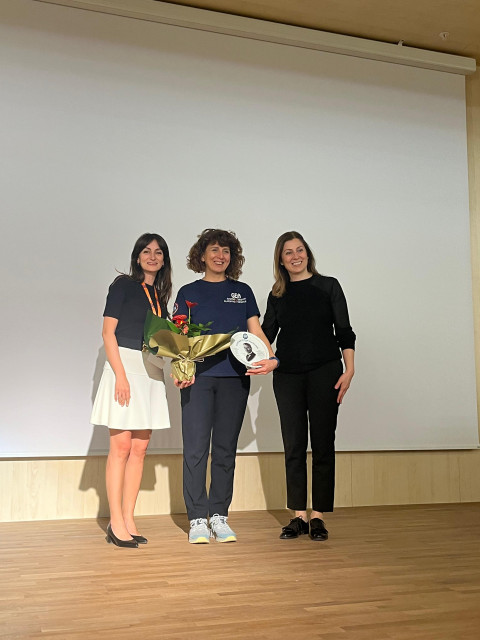
GEA - Earthquake Preparedness Training Seminar
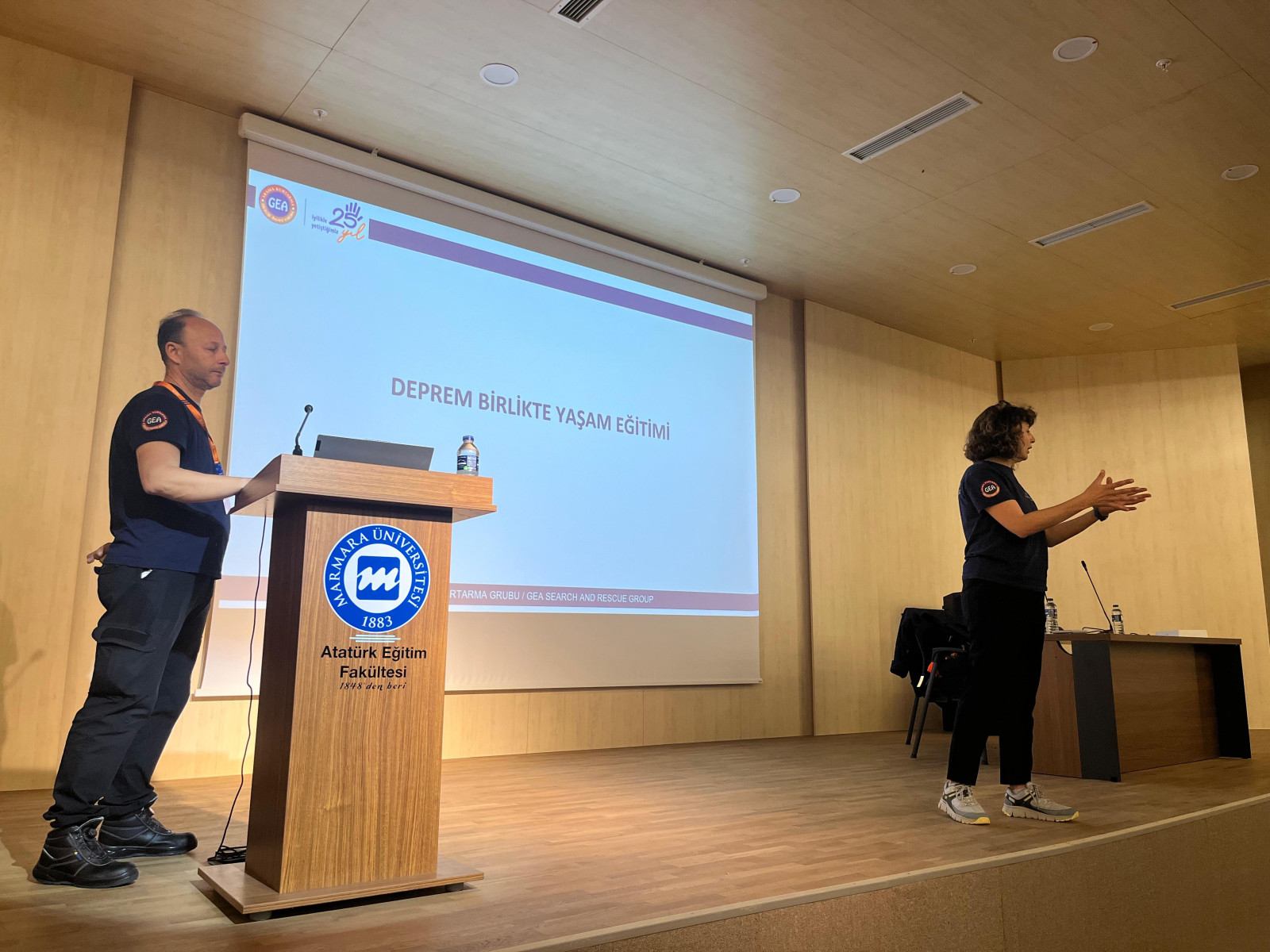
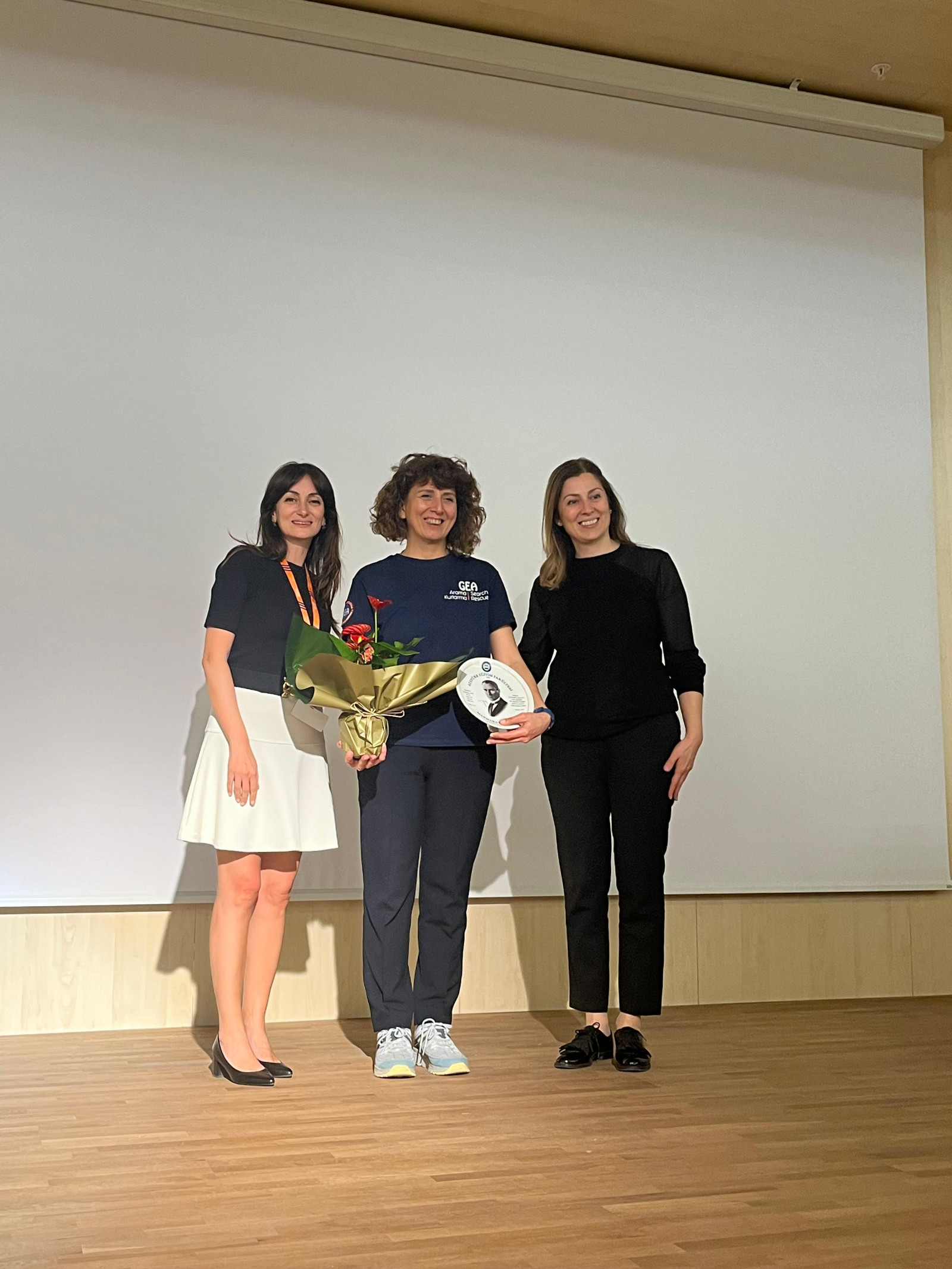
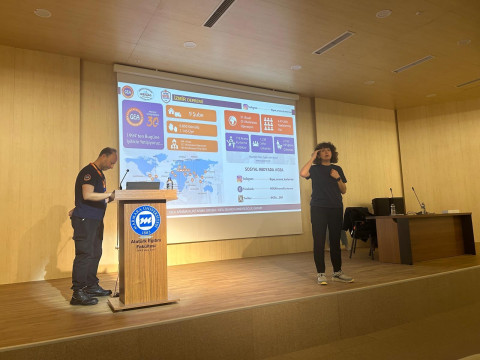
On May 14, a seminar titled "Earthquake Preparedness Training" was delivered for students and faculty members by Ms. Betül Ergün, a member of GEA Search and Rescue Association. The precautions to be taken before, during and after earthquake were addressed thoroughly with the presentation of GEA Team. Participants were informed about how to prepare an emergency kit, identify safe zones, and plan for emergencies. We extend our thanks to Ms. Betül Ergün and the GEA Search and Rescue Team for their valuable contributions to this seminar, which aimed to raise awareness and improve preparedness for disasters.
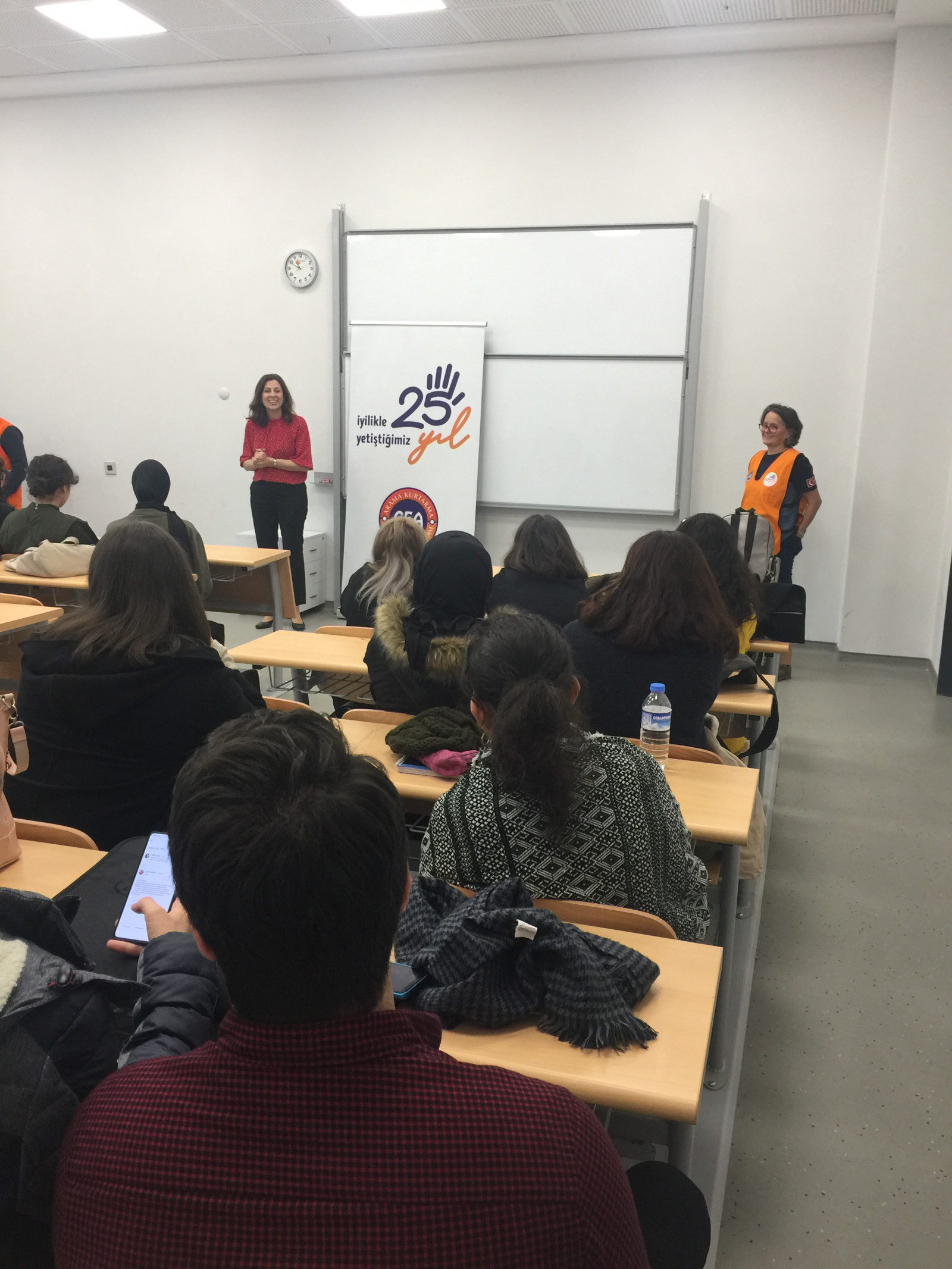
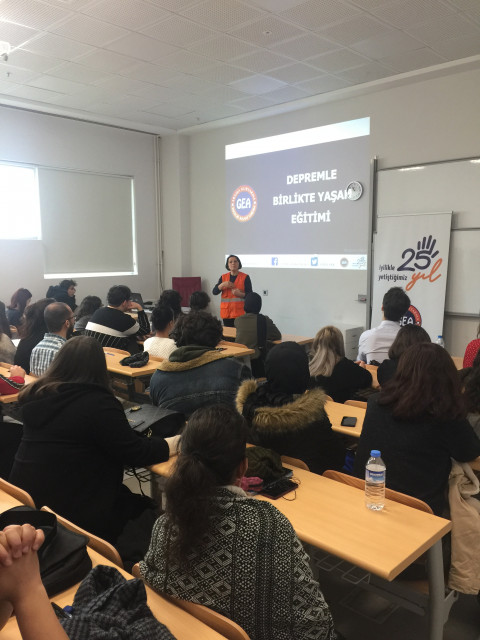
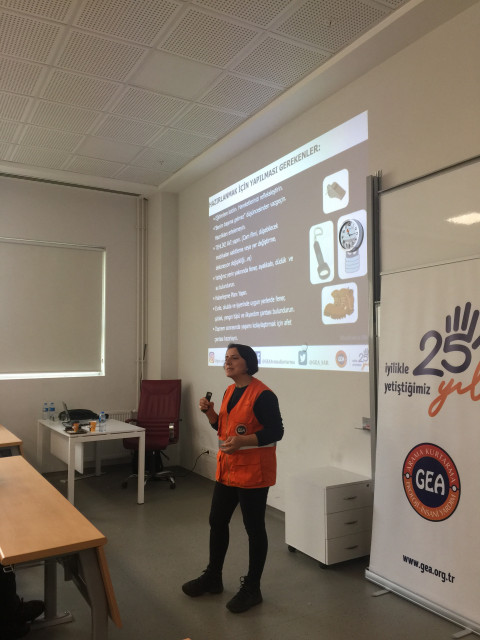
GEA - Life with Earthquakes Training
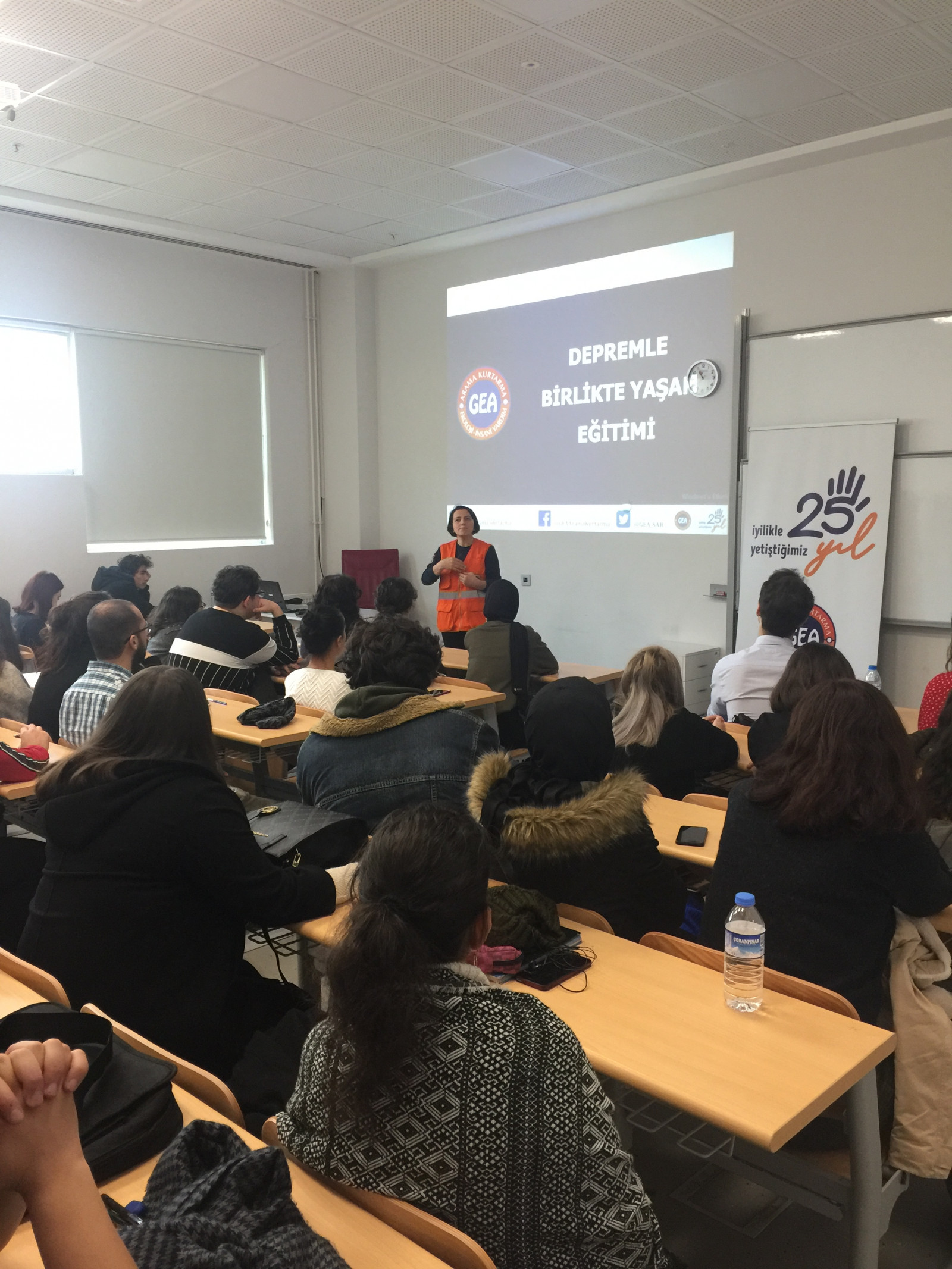
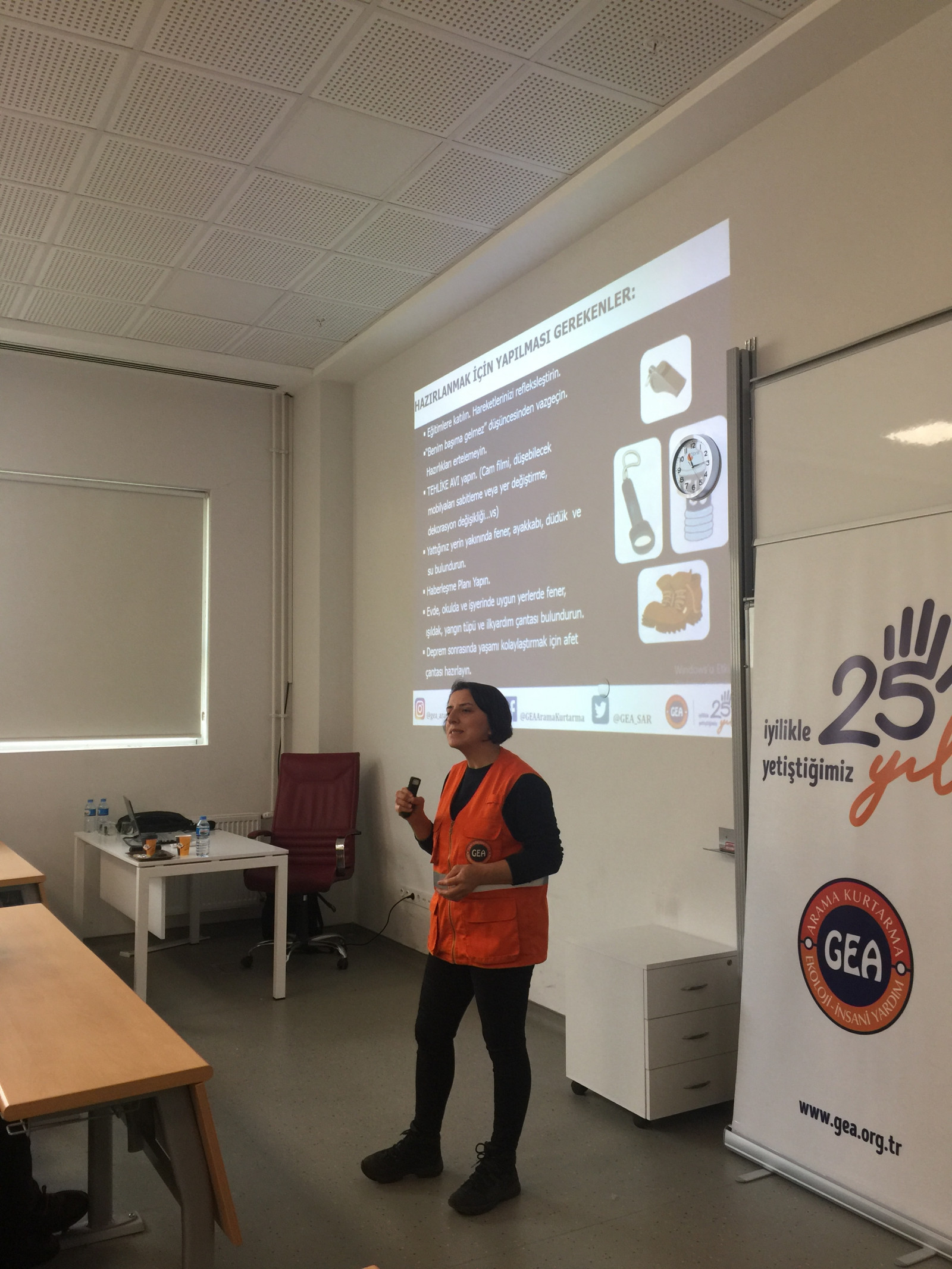
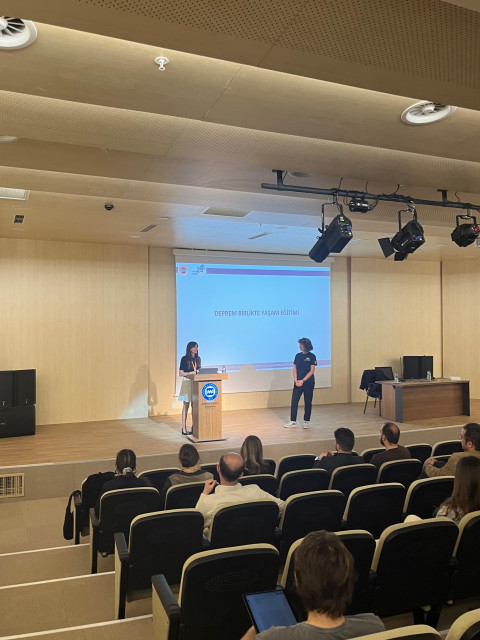
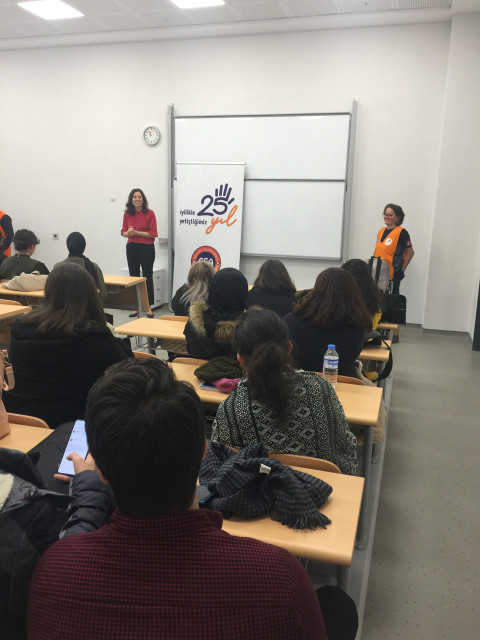
GEA Search and Rescue Ecology Group gave a training seminar to our students on "Living with Earthquakes".
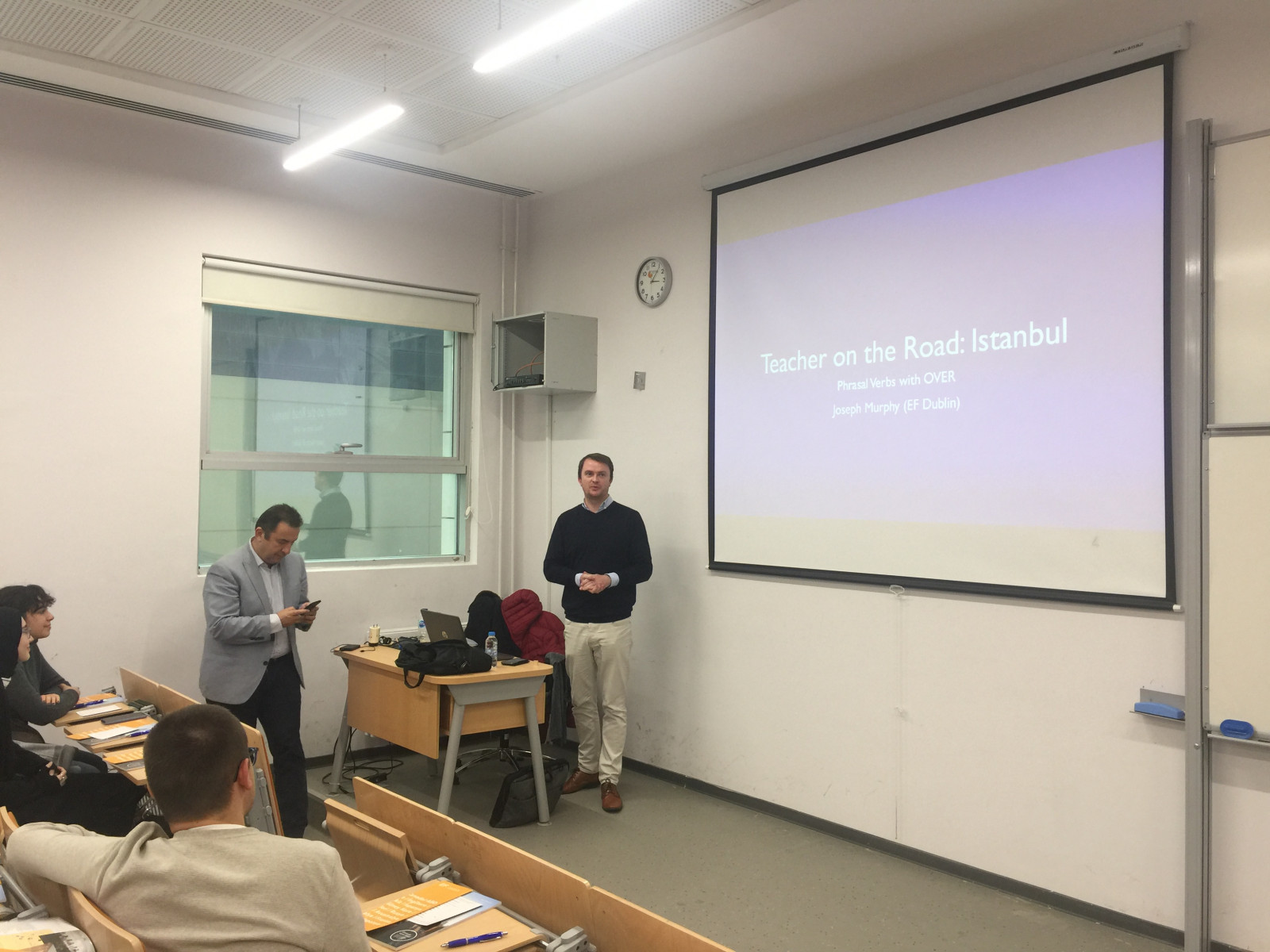
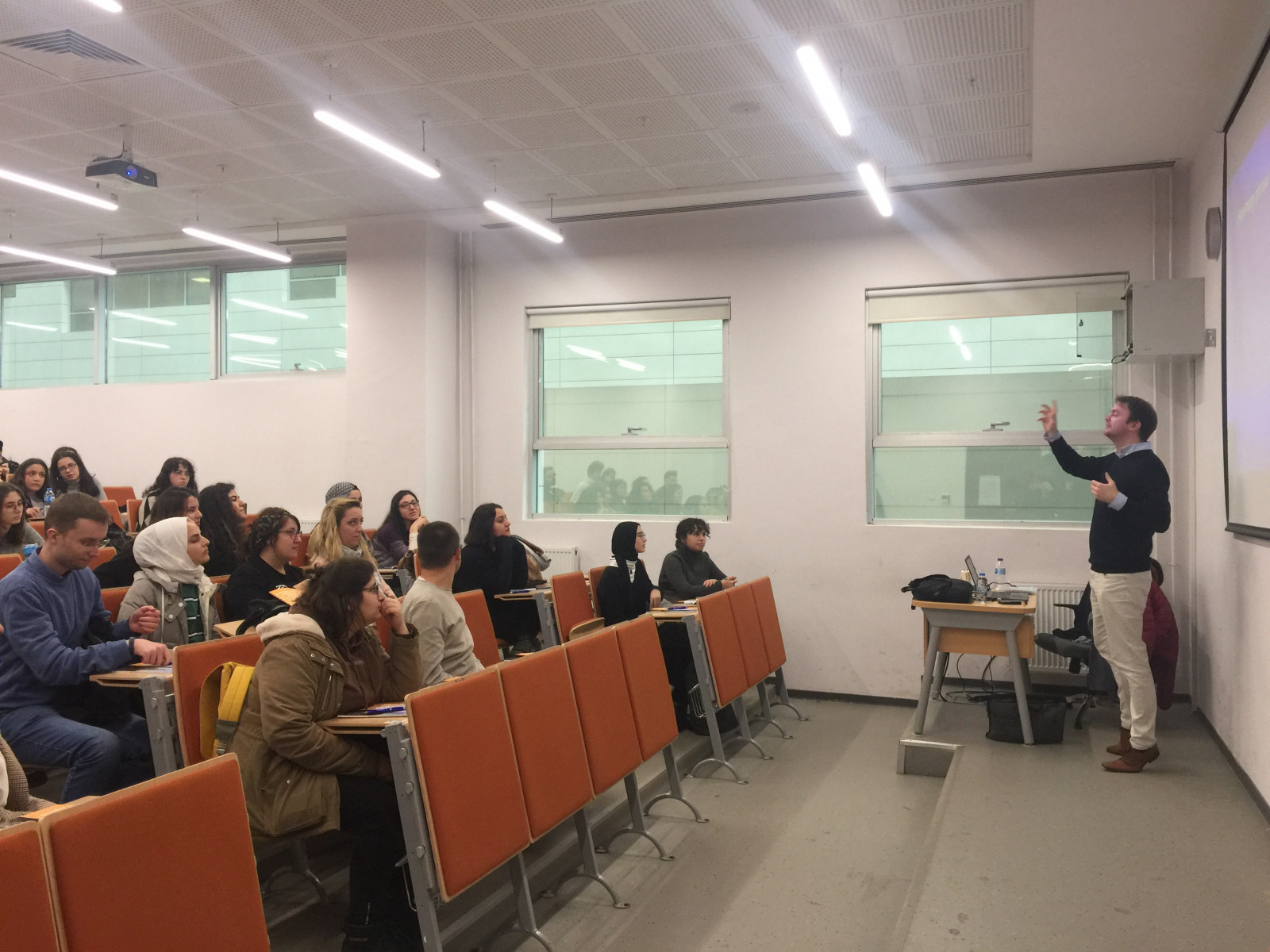
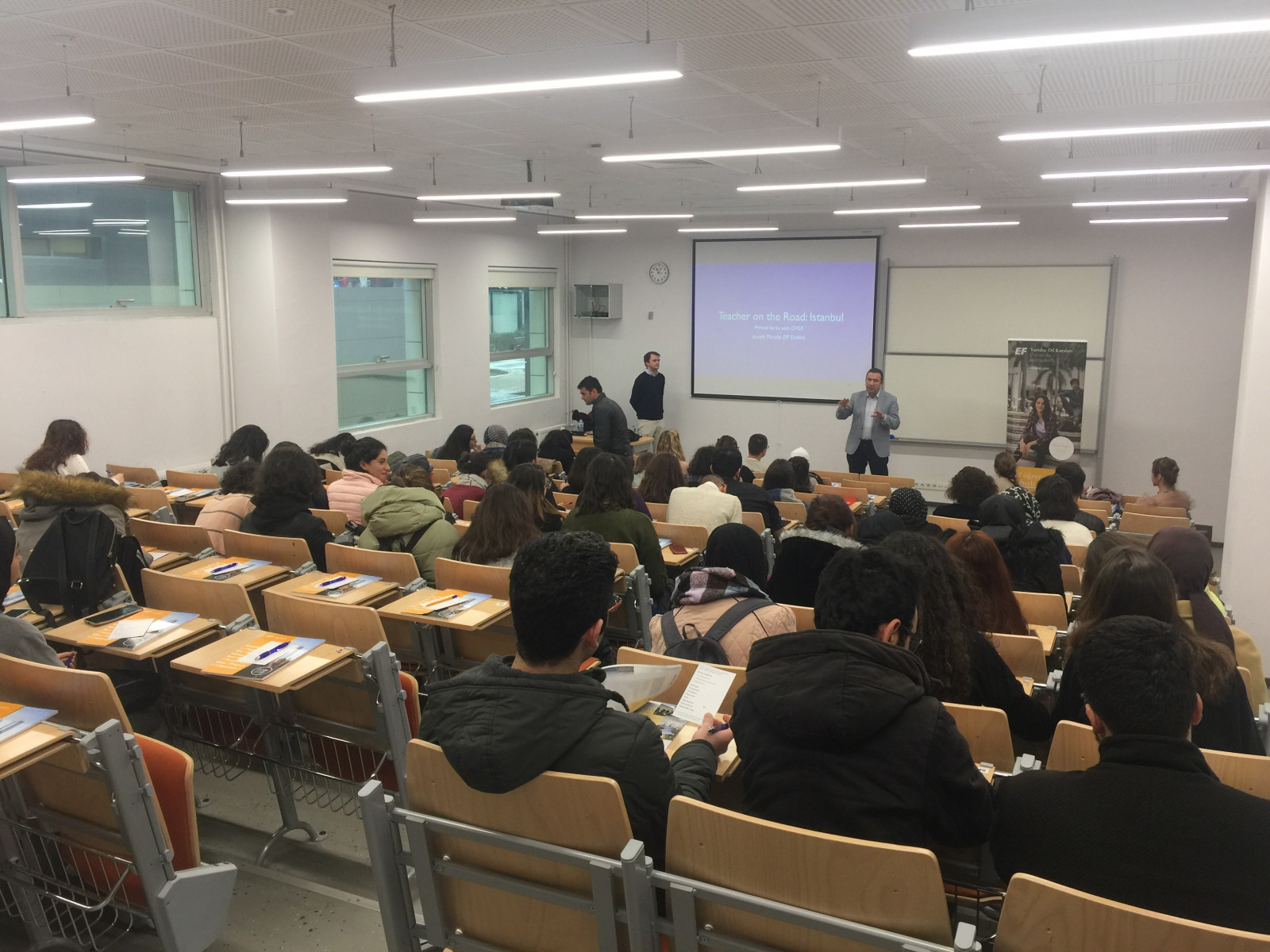
"Teacher on the Road" Seminar
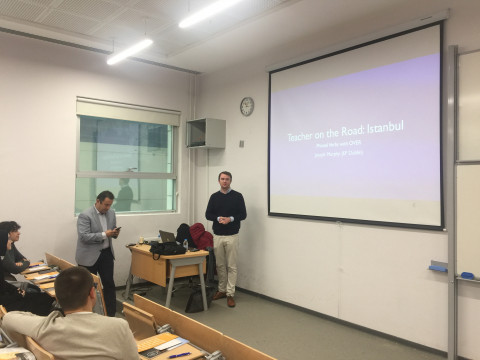
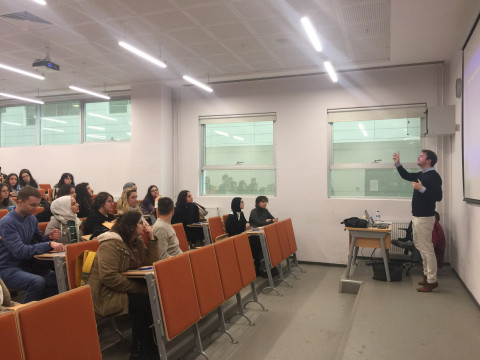
Within the scope of the 'Teacher on the Road' program, Joe Murphy, an English instructor from England and an expert in his field, gave a seminar in our department.

Training on Living with Earthquakes
This page updated by English Language Teaching on 27.11.2025 14:03:55


.jpeg)
.jpeg)

.jpeg)
.jpeg)
.jpeg)